

Blogs
Posted on May 13, 2026
How Dental Clinics Can Reduce Costs with Bulk Dental Supplies
Share On:




Running a dental clinic in the U.S. isn't cheap. With employees, equipment repair, insurance, and the ongoing need to be at the forefront of current clinical practices, you'll quickly see an increase in your overhead without knowing it. The biggest and most overlooked budget drain for most clinic owners and practice managers is dental supplies. Most clinic owners and practice managers order their dental supplies reactively — wait until you run out, put in a rush order, pay retail price, before you start the process over again each month. If this sounds familiar, there is no doubt you’re wasting money. One of the quickest and easiest ways to lower your operational costs for the dental clinic is to order dental supplies in bulk, without compromising the level of quality and patient care you are providing.
So here we give you a brief knowledge about how dental clinics can reduce costs with bulk dental supplies. Stay tuned with this blog.
The Real Cost of Reactive Supply Ordering
Every time you order dental supplies as needed, you are not only being charged the cost of that item but also incurring costs associated with inefficiencies incurred from frequent ordering of smaller quantities. Some of these inefficiencies include higher per-unit shipping costs, additional shipping fees, increased administrative staff time to process invoices from multiple orders, and you may also be at greater risk of running out of critical dental supplies during production schedules because these frequent and smaller orders create more opportunities to run out of supplies. In addition, when these inefficiencies build, they create an increasing significant annual increase in operating expenses to a busy multi-chair dental practice or a growing multi-specialty dental practice.
Purchasing dental supplies in bulk and consolidating your orders together, you will not only achieve a lower per-unit pricing by purchasing larger quantities but you will also incur fewer shipping fees by reducing your order count, be able to streamline the supply procurement process, and you will allow your front-billing office staff to spend more time providing quality patient care.
What Supplies Should Dental Clinics Buy in Bulk?
Not all dental supplies are suitable for bulk buying, but many typical items that your practice requires every day are good candidates. Most dental practices use items at a high frequency and in consistent quantities. Here are examples of items that are good candidates for bulk sourcing:
- Infection Control and Personal Protective Equipment (PPE) – Nitrile gloves, sterilization bags, disposable gowns, masks, headrest covers, etc. All of these supplies are utilized during every patient visit and should be bulk purchased. Predictable utilization and a longer shelf life make these types of supplies well suited for large quantities.
- Local Anesthetics – Local anesthetics come in individual carpules and typically have 50 carpules per box. Anesthetics such as Lidocaine and Mepivacaine are used in virtually every procedure and purchasing them in bulk allows for lower costs per carpule.
- Chairside consumables — High-use items (such as cotton rolls, saliva ejectors, patient bibs and aspirator tips) should always be ordered in bulk to improve cash flow for your practice’s operational budget.
- Hygiene and prophylaxis supplies — Classic hygiene/prophylactic products (such as prophy paste and prophy cups, and chlorhexidine rinse) can also be purchased in bulk at a generous discount off list prices.
- Burs and instruments — Additionally, carbide burs, K-files and explorers are regularly consumed and can be purchased in larger quantities with a substantial discount for the entire year. That’s a significant savings for your practice if you purchase in bulk rather than in small denominations!
How Bulk Ordering Supports Multi-Location and Multispecialty Practices
Essentially, the financial rationale is even greater for Group Dental Practices, DSOs, and Multispecialty Clinics when it comes to bulk purchasing. As you run several chairs with many providers and specializations at one location or across many sites, the consumption of supplies increases rapidly. When you’re using centralized bulk purchasing across your entire practice setup, you are in a position to negotiate lower pricing, create a uniform list of products that can be used at all of your sites, and eliminate duplicate ordering that occurs when your multiple sites order supplies independently. The same is especially true for any practitioner using a multispecialty model where general dentistry, orthodontics, endodontics, pediatric dentistry, and oral surgery are done under one operation. Each specialty has unique supply requirements, but combining those procurement streams into a single bulk purchasing strategy can result in large savings.
The Role of Subscription and Auto-Order Systems
Dental practices today are able to effectively use subscription supplies/auto orders as an administrative tool, thereby minimizing the time spent manually managing inventories or ordering supplies only if the level is low. The most popular and frequently used supplies can be automatically ordered in large quantities and delivered on a schedule to avoid interruptions and reduce costs associated with administrative functions, emergency last-minute orders, and maintaining constant visibility into supply levels.
For busy offices, this type of automated supply chain system can help businesses save money and make procurement a great way to manage costs and provide value through efficiency and cost savings over time.
Tips for Getting the Most Out of Bulk Dental Supply Purchasing
To properly prepare for a completion of order consolidation, you should take several steps that will allow you to extract full value from this activity. First, you should conduct an audit of your usage; this means looking at the most frequently ordered products for every clinic, as well as how many of each product have been ordered. Next, you should identify which items have a longer shelf life and can therefore be purchased in larger amounts without risk. Third, you should look to consolidate your suppliers into one supplier (if possible) — ordering through one supplier vs. multiple suppliers not only streamlines your invoicing process but also generally provides you with better pricing tiers. Finally, take advantage of member pricing and loyalty programs (if available) — the savings from these programs can be substantial over the course of an entire year of supply purchases.
Conclusion
Reducing the cost of supplies does not mean cutting corners on quality, but rather making smarter purchases. Straightforward procurement methods such as ordering in bulk, subscribing to auto-replenishment services and centralizing their purchasing processes allow dental clinics of all sizes to achieve significant, measurable savings. INSYNC Dental was designed specifically for that reason; INSYNC Dental is the first-of-its-kind dental supplies and solutions platform in the United States, and provides a large selection of reputable brands in category areas like chairside, hygiene, composites, burs, cements, and instruments, at competitive prices and with multiple subscription options - empowering dental practices to control their supply costs and to use the savings generated to provide better patient care. Whether you have an independent practice or a growing multi-specialty group, INSYNC Dental provides you with the ability to manage your supply expenses and redirect those savings toward your patients' care.
Featured Categories
Featured Products
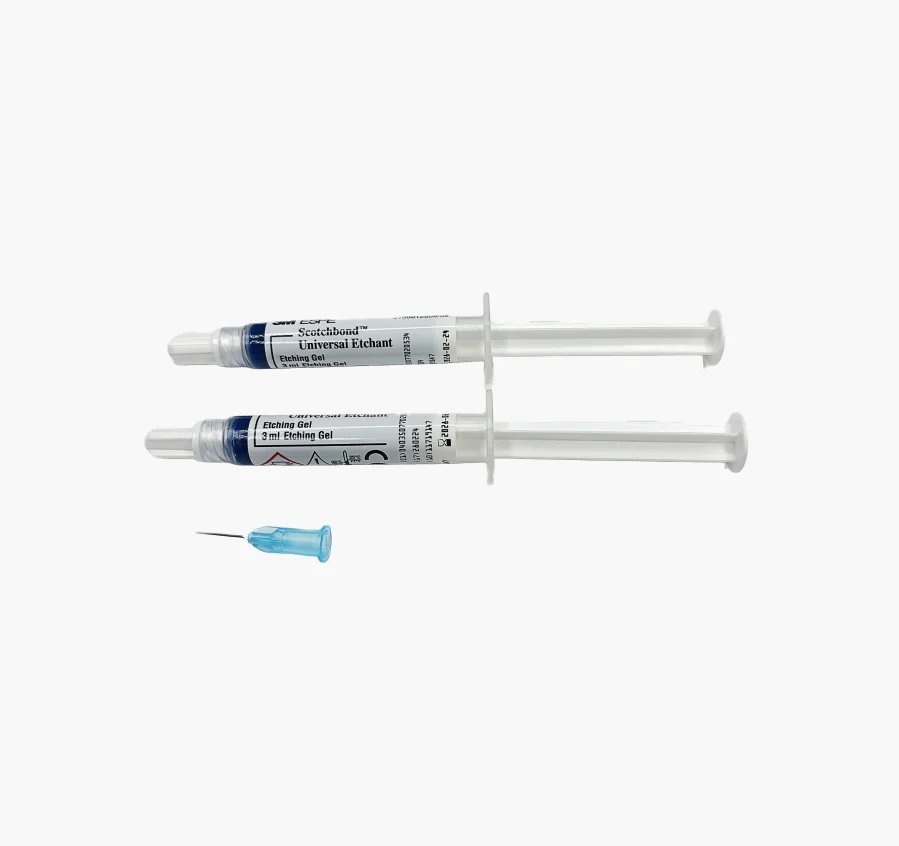


3M Solventum
3M Etchant 3ml/Syringe | 2 Syringes/Pack
0 ratings
The 41263 3ML Etchant Syringes, 2PK contains a pair of 3 mL syringes filled with...
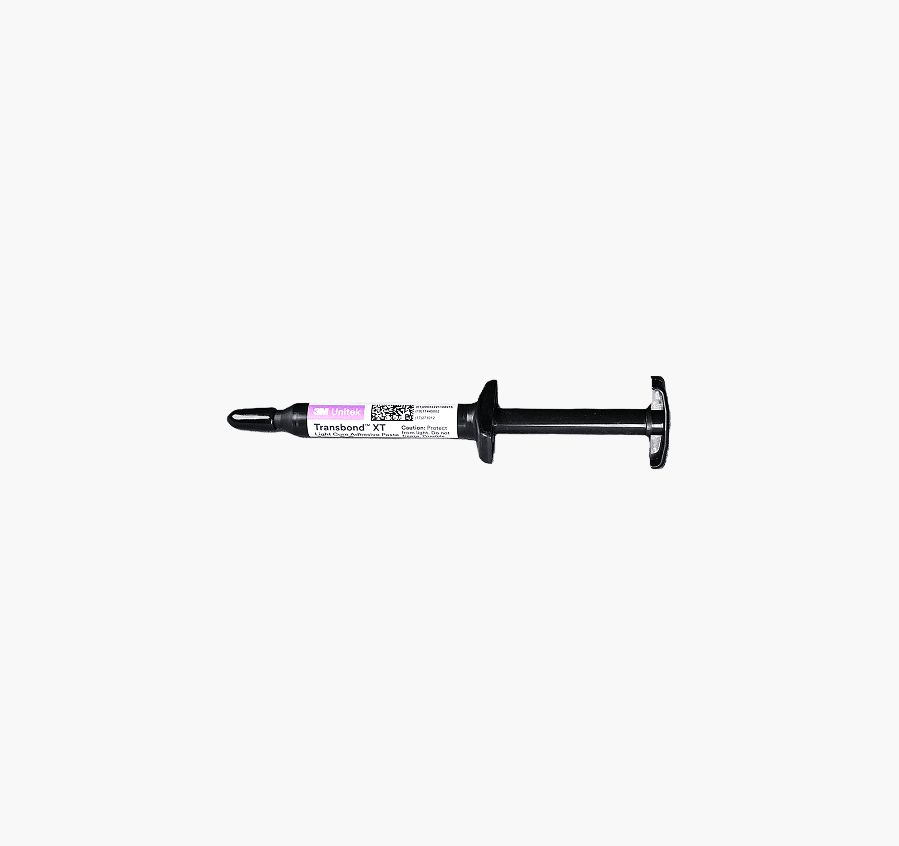
3M Unitek
3M Transbond XT Syringes 4/Pack
0 ratings
The 712-036 TRANSBOND™ XT Syringes (4/PK) deliver a light-cure adhesive designed for...
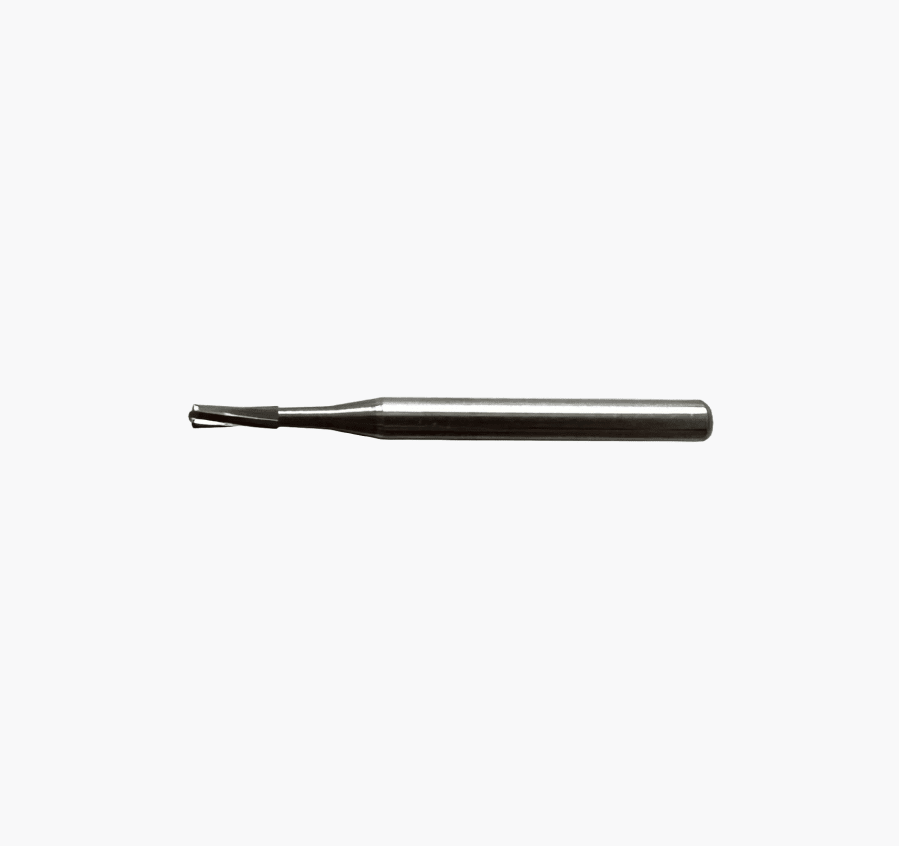
ADM
Burs 245 FG 100/Pack
0 ratings
The 245ADM BUR FG is a fine-grit carbide bur for precise cutting and shaping. Ideal for...
 Prev
Prev

Related Blogs

How To Reduce Dental Supply Expenses Without Compromising On Quality
Posted on: Feb 02, 2026

Dental Supply Company in Seattle
Posted on: Jan 16, 2026

How Often Should Dental Instruments Be Replaced?
Posted on: Jan 09, 2026
3D Printing in Dentistry: From Models to Final Restorations
Posted on: Nov 21, 2023
Frequently Asked Questions
The reality is that yes, most of the people who own their own practices, who converted over to bulk purchasing typically wish they had converted sooner. The process for converting over to bulk purchasing is much easier than the ongoing savings generated by it. Once you have performed a simple audit of your most commonly used products and established the quantity of each product you would like to order from an established supplier, then you can simply let the process happen, so there is little effort involved in converting over to bulk purchasing. The reduction in the per-unit prices for everyday consumable supplies (e.g. gloves, anesthetics, cotton rolls, burs) over the course of one year equates to thousands of dollars in savings. For a clinic that sees many patients per day, this is a very large amount of money that you could apply towards purchasing new equipment, hiring staff and providing the best patient experience possible.
The ideal items to purchase in bulk are those that your office will consistently use often and have a good shelf life. Good examples of this are nitrile gloves, sterilizing pouches, carpules of local anaesthetics, patient bibs, saliva ejectors, cotton rolls, prophy paste, prophy cups, disposable gowns, headrest covers, and burs. These items get used at every appointment and so if you order them in larger quantities (e.g., 100s, 200s, or cases), it drastically reduces your unit cost as compared to smaller and more frequent orders. Therefore, you should start with those items that have the highest turnover and consistent usage.
It is reasonable to have this apprehension, which is why a usage audit is necessary prior to signing a contract for bulk quantities. Start your audit by collecting three to six months of ordering history from your clinic and analyzing your clinic's usage rate for each product category to see how fast you burn through products in a category. For products with a long shelf-life (e.g. gloves, cotton rolls, sterilization pouches, burs), ordering bulk quantities is generally low risk. But for products with a shorter shelf-life, such as some cements and some composites, it is best to order in a quantity that mirrors your actual monthly usage. Additionally, many supplier platforms provide product expiration dates so that you can plan your ordering appropriately.
Certainly! Even though most large group dental practices and Dental Service Organizations (DSOs) take advantage of bulk purchasing, the same idea applies to a single chair practice. By purchasing larger quantities of disposable supplies, a dentist can save significantly on the per unit price of items such as gloves, anesthetic carpules and hygiene related supplies, regardless of the number of patients treated in that office. The distinction for many smaller dental practices compared to multi-location groups is that although your bulk quantities will be smaller than those of a multi-location group, you will still receive the same price discount as multi-location groups due to the pricing advantage of reduced ordering frequency. In addition, many suppliers provide tiered pricing for their products, which means they offer discounts on small to moderate bulk purchases, allowing one or two chair dental offices to benefit from the same types of pricing advantages offered to larger practices.