

Blogs
Posted on Dec 02, 2025
Single-Use vs Reusable Dental Tools
Share On:




The single-use and reusable dental tools have always been an important part of the discussion in the modern dental industry. The dentists and dental clinic owners have to choose between convenience, safety, and affordability. You have to understand the advantages of both tools to make an informed choice.
In this blog, we will explore the differences and benefits of single-use dental tools and reusable dental instruments. We will also discuss ways to choose what is best for your practice.
What Are Single-Use Dental Tools?
Single-use dental tools are also known as disposable tools, are designed to be used only once on a single patient. These include items like saliva ejectors, mouth mirrors, scalpel blades, suction tips, and plastic impression trays. They come in a different packaging and are sterilized. It provides a high level of infection control.
Advantages of Single-Use Tools
1. Infection Control: The biggest advantage of single-use tools is that they eliminate the risk of cross contamination between patients. You can dispose of them by using them once, which reduces the chance of improper sterilization.
2. Time Saving: No necessity to clean, sterilize, or keep track the tools' usage time so that they don't interfere with the clinic's workflow.
3. Comfort Mobile and Emergency Setups: It is not only suitable for the mobile dental clinics, outreach programs, and emergency dental services, but also very easy to use, where there are no sterilization setups.
4. Compliance With Regulations: The use of single-use tools for safety reasons has been suggested by many dental boards and health authorities.
Disadvantages of Single-Use Tools
1. Costly: single-use tools cut down on time, but a clinic's running costs in the long term will be higher. You have to constantly restock them.
2. Environmental Impact: Major issues with the single-use dental tools are that they can increase the waste. Because they are made of instruments are made from plastic and non-biodegradable materials.
3. Durability and Quality: Some of the disposable tools do not provide the same precision, grip, or feel.
What Are Reusable Dental Tools?
Reusable dental tools are made of durable materials like stainless steel or titanium. You use them for multiple patients by proper cleaning and sterilization. Some of the common examples also include the explorers, scalers, mirrors, and forceps.
Advantages of Reusable Tools
1. Cost-Effective Over Time: They are an upfront investment, but reusable tools to save money in the long term. You can use them many times by sterilization.
2. High-Quality and Precision: The use of stainless steel instruments offers enhanced tactical sensitivity and control. Thus, it is very easy to perform precise dental work.
3. Environmentally Friendly: They are not only reusable but also a better alternative to single-use instruments with regard to medical waste reduction.
4. Professional Image: It is a common practice among dentists to opt for reusable tools that give them an impression of professionalism.
Disadvantages of Reusable Tools
1. Needs for Proper Sterilization: Tools should to be cleaned, disinfected, and sterilized correctly initially, and then used again.
2. Cross-contamination Risk: Improperly sterilizing tools increases the risk of an infection.
3. Maintenance Cost: You have to sharpen, calibrate, and replace the parts of the reusable tools over time to keep their value.
Comparing Single-Use vs. Reusable Dental Instruments
|
Points |
Single-Use Tools |
Reusable Tools |
|
Initial Cost |
Low |
High |
|
Long-Term Cost |
High |
Lower overall |
|
Infection Control |
Maximum |
Need proper sterilization |
|
Environment Impact |
High |
Low |
|
Dubrability |
Limited |
Strong and long-lasting |
|
Maintenance |
None |
Strong and Long-Lasting |
High to Decide Which Option is Best for Your Clinic?
You can choose between the single-use and reusable dental tools according to your practice size, budget, patient volume, and infection control protocols. Here is how you can decide:
1. For Big Clinics
A reusable tool can be cost-effective for the big and busy clinics. One-time use of instruments can be expensive.
2. For Small Clinics or Outreach Programs
Single-use tools are a more suitable option for small clinics. Additionally, they also provide safety and compliance without large equipment investments.
3. For Specialized Treatments
Some of the surgical or implant procedures also need single-use tools to maintain the infection control standards.
4. For Sustainability Goals
If your clinic follows eco-friendly practices. Then you can invest in reusable tools with a proper sterilization system.
A Balanced Approach
A hybrid approach is being adopted by many contemporary dental practices. Clinics are applying both single-use and reusable tools according to the procedure. To illustrate, single-use suction tips or syringes are the preferred choice for infection control. Reusable scalers and mirrors are suited for daily dental care. This balance allows the clinics to maintain safety, reduce waste, and manage costs effectively.
Conclusion
Both single-use and reusable dental tools play important roles in today’s dental care environment. Single-use tools provide top-tier infection control and convenience. The best choice is to combine both tools according to your practice needs.
At Insync Dental, we understand that choosing the right dental instruments can impact the trust of your patients. Picking either disposables or reusables, you will be still able to control hygiene and compliance throughout the entire care process.
Featured Categories
Featured Products


3M Solventum
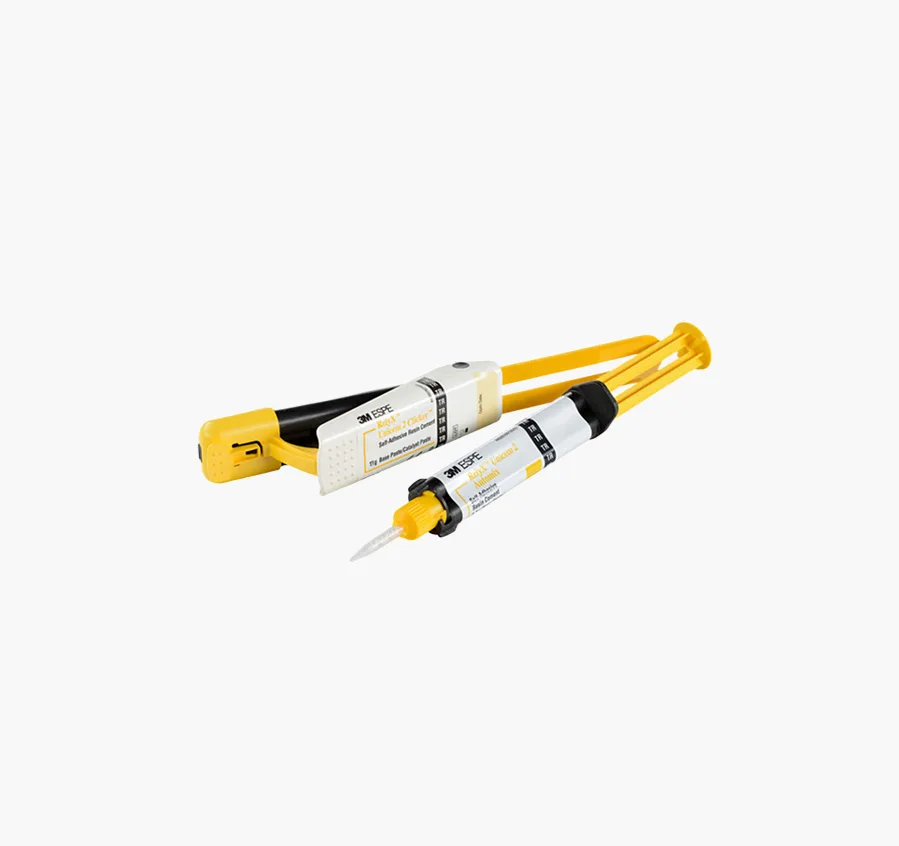
RelyX Unicem 2 Automix Translucent Refill 1 Syringe+25 Tips/Pack
0 ratings
The 3M™ RelyX™ Unicem 2 Automix Self-Adhesive Resin Cement (56848) is a dual-cure...
3M Solventum
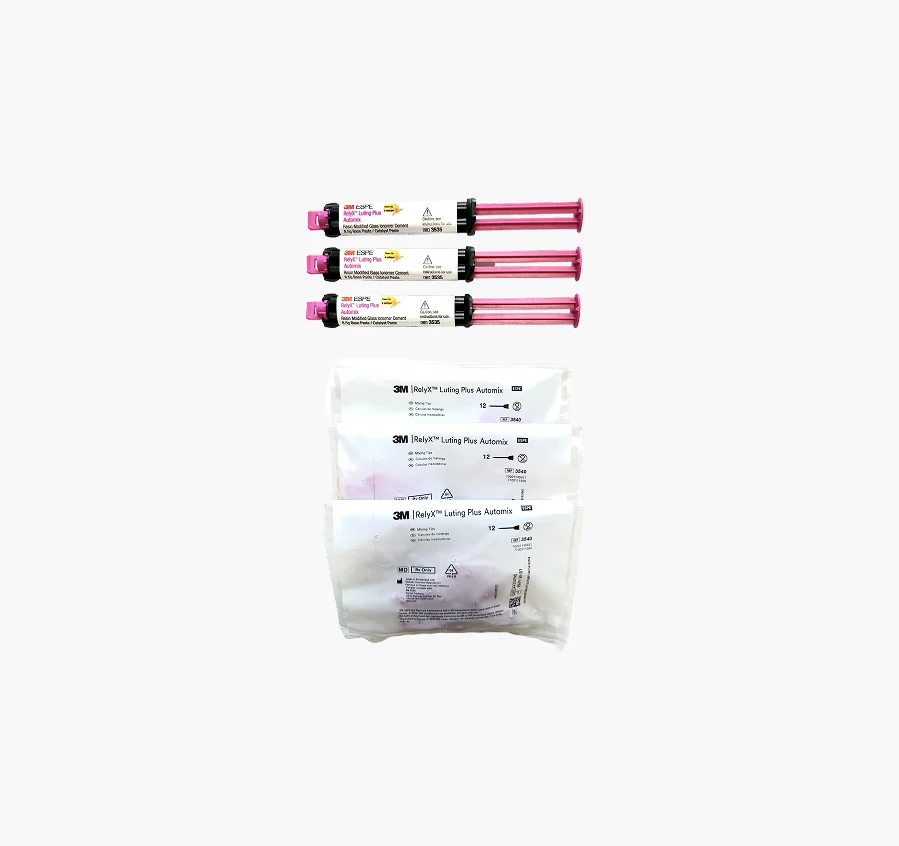
Relyx Luting Plus Automix 8.5gm | 3/Pack
0 ratings
RelyX™ Luting Plus Automix Cement by 3M is a resin-modified glass ionomer cement...
Kerr Endodontics
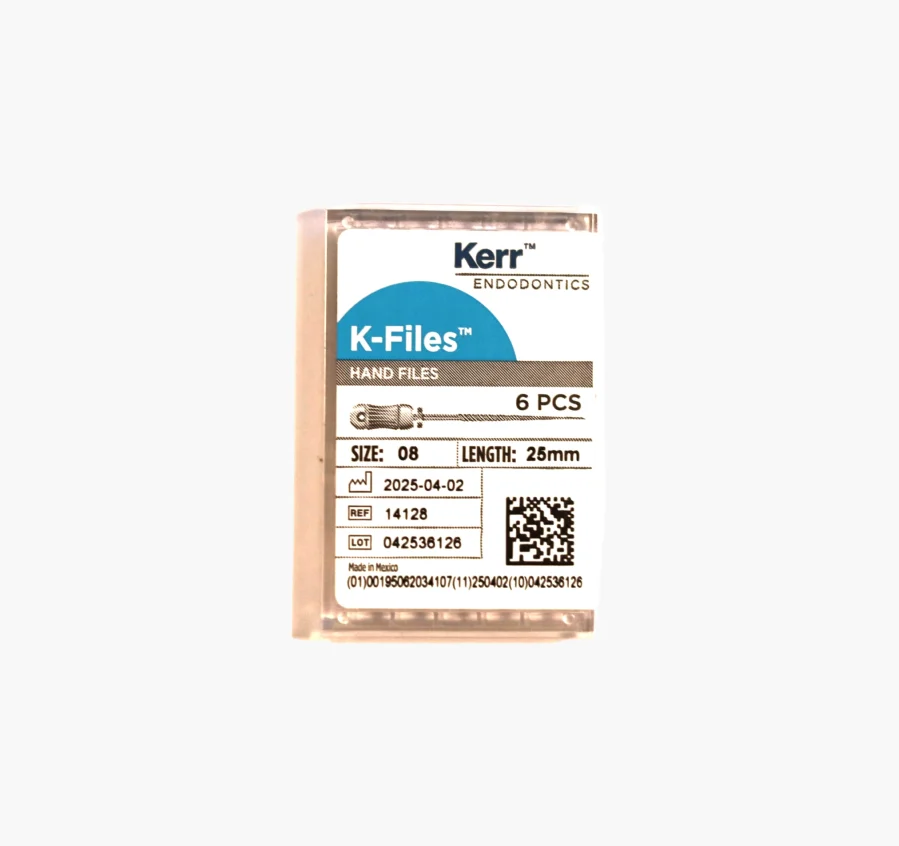
Kfiles 08 25mm 6/Pack
0 ratings
The K-Files #08, 25mm (pkg/6) are endodontic instruments made of stainless steel, perfect...
 Prev
Prev

Related Blogs

Dental Supply Company in Miami
Posted on: Dec 02, 2025
Frequently Asked Questions
Single-use instruments do indeed minimize the risk of cross-infection since they go to the bin after one use. Nonetheless, if a reusable instrument undergoes the sterilization routine using the approved protocols, it will be perfectly safe too.
The instruments should be sterilized after each patient’s treatment. Doing proper autoclaving, followed by drying and correct storage, will help you avoid any mistakes in the contamination control process.
Yes, over time, reusable instruments can lose their sharpness or develop wear. A regular inspection can maintain patient safety.
Most of the disposable tools are made of plastic and contribute to medical waste. However, some manufacturers are now introducing biodegradable options to reduce the environmental impact.
It depends on your setup. If you have access to the sterilization equipment, reusable tools are more economical in the long run. A single-use tool can help you to get started safely and efficiently.