

Blogs
Posted on May 21, 2025
Sterilization Protocols: What Every Dental Office Should Be Doing in 2025
Share On:



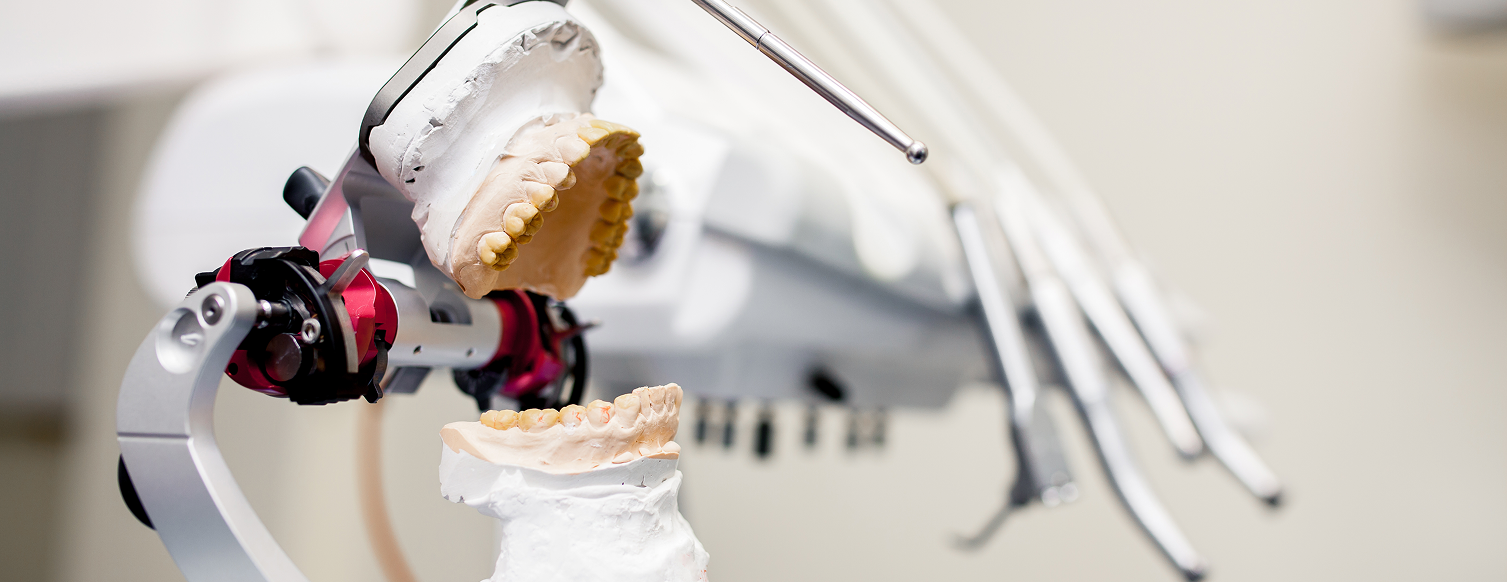
Infection control is the backbone of a safe dental practice. With updated CDC guidelines and rising patient awareness, it’s more important than ever to ensure your sterilization protocols are up-to-date. Here’s a 2025-ready guide to best practices every dental office should follow.
1. Daily Equipment Monitoring
Autoclaves and other sterilization equipment should undergo daily monitoring using biological, chemical, and mechanical indicators. These checks help ensure instruments are being properly sterilized.
2. Clear Instrument Flow
Your office should have a clear workflow for used instruments: from dirty zones to cleaning, to packaging, to sterilization, and then to sterile storage. Color-coded zones and staff training help minimize errors.
3. Surface and Air Disinfection
In addition to wiping down surfaces between patients, practices should invest in air purifiers or UV-C systems to reduce airborne pathogens, especially in open-bay environments.
4. Staff Training and Documentation
Ensure all team members are regularly trained and certified in sterilization protocols. Keep detailed logs of sterilization cycles, equipment maintenance, and training records for compliance audits.
Why It Matters
Sterilization is about more than compliance—it’s about patient trust and safety. In a post-pandemic world, patients are more alert than ever to cleanliness and infection control. A visibly sterile environment not only protects everyone but reassures your patients that their health comes first.
Featured Categories
Featured Products
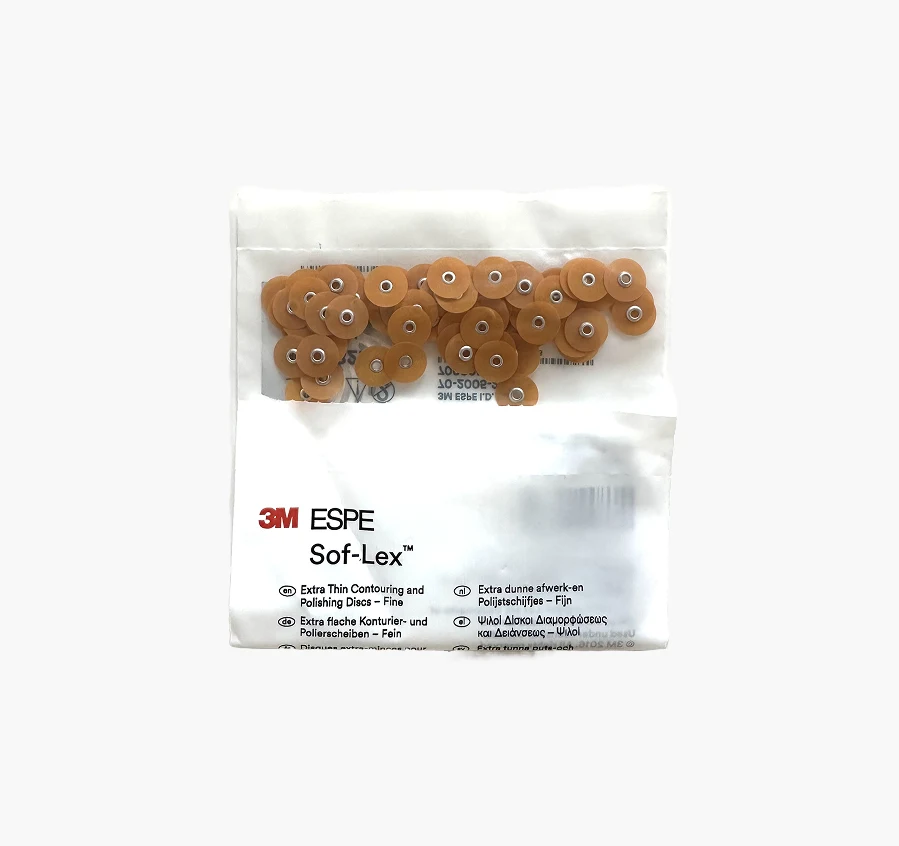


3M Solventum
3M Sof-Lex Extra Thin Discs(85) - 1/2" Fine 85/Pack
0 ratings
The 2382F Sof-Lex Extra Thin Discs (85) – 1/2" Fine are engineered for meticulous...
Keystone
Keystone Trusoft Denture Reline Kit Soft (Pink) 1 Each
0 ratings
The Trusoft Denture Reline Kit Soft (Pink) provides a soft, pliable option for enhancing...
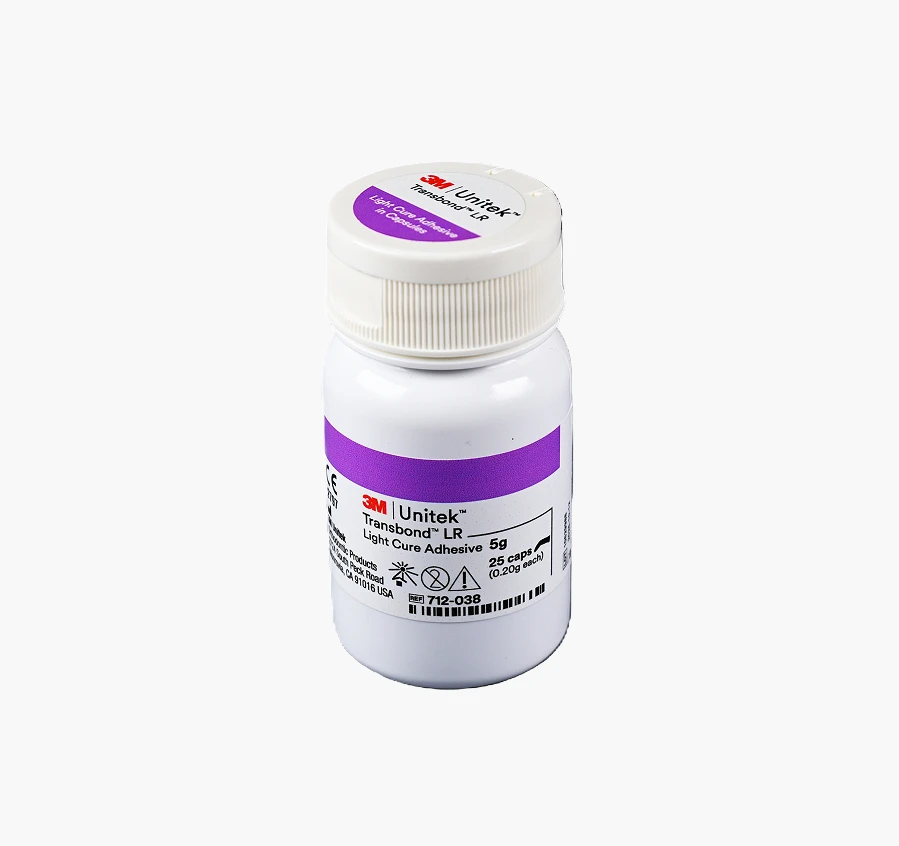
3M Unitek
3M Transbond Lr Adhesive Caps 25 Capsules 25 Capsules/Pack
0 ratings
The 712-038 TRANSBOND™ LR Adhesive Caps by 3M Unitek are light-cure, resin-based...
 Prev
Prev

Related Blogs
The Rise of AI in Dental Practices: What It Means for You
Posted on: Nov 21, 2023
3D Printing in Dentistry: From Models to Final Restorations
Posted on: Nov 21, 2023