

Blogs
Posted on May 11, 2026
Best Dental Needles and Syringes for High-Volume Dental Clinics
Share On:




When managing a dental practice that sees a lot of patients (like in the U.S., Canada, UK, etc.), it is the little things that count the most! For example, needles and syringes are very commonly used items by dentists; therefore, they have a lot of clinician usage (whereas needles and syringes do not typically fall into the 'exciting' category). Selecting an improper gauge, length, or brand of needle can affect the expense of your supplies as well as directly impact patient comfort and corresponding clinical results. Therefore, we should consider some of the most important factors you should take into account when selecting needles and syringes for a high-volume dental clinic.
Why High-Volume Clinics Need to Think Differently About Needle and Syringe Selection
The procurement requirements of a sole medical practitioner seeing just 10 patients per day will be vastly different from those of a practice that may have multiple chairs seeing 60 to 80 patients from multiple providers. For practitioners who see high volume, poor quality product decisions will be tremendously amplified. For example, a needle that causes pain to multiple patients per week will become an extremely poor experience for many patients as that needle will be utilized hundreds of times each week by the same scale of patient population. A syringe that does not maintain consistent aspiration quality on every occasion will create clinical risks for the same number of procedures every day. An inconsistent supply chain that cannot meet a practice's consumption levels of needles and syringes will cause scheduling disruptions that, when measured, will be much greater than the costs of the inventory itself.
When B2B buyers (practice managers, procurement officers, and group practice administrators) evaluate the products they are buying (needles and syringes), they have a lot more to consider than just pricing; you have to consider gauge, bevel, wall thickness, compatibility with your aspiration syringes, sterility and consistency of the supplier regarding filling larger orders.
Needle Gauges: Matching the Right Size to the Right Procedure
Having the right gauge is critical. In dental practice, 3 gauges are frequently used: 25G, 27G, and 30G — each having a unique purpose.
- 25 Gauge (Long) — The most common gauge for performing inferior alveolar nerve blocks or posterior superior alveolar blocks due to a larger diameter providing adequate aspiration capability for high-risk injection sites. 25G long needles should be considered a basic needle in large quantities for high-volume clinics that do numerous surgical and restoration procedures.
- 27 Gauge (Short and Long) — The most commonly used gauge of general dentistry and offers a wide array of possibilities. 27G short needles are frequently used for infiltration anesthesia within the maxillary arch and 27G long needles provide effective nerve blocks. 27G is typically the preferred gauge due to its overall balance between patient comfort and aspiratory reliability.
- 30 Gauge (Short) — The preferred needle gauge short 30G is used for palatal injections as well as in circumstances where comfort is most important to the patient. There is much less displacement of tissue due to the smaller diameter of the needle which also creates significantly less discomfort during injection. Clinics that have a focus on patient experience, especially pediatric and/or anxious patients, should carry adequate supplies of 30G short needles.
Aspirating Syringes: What High-Volume Clinics Should Look For
There is a difference between various types of aspirating syringes, so your choice could have an impact on how successful your high-volume clinic is. Harpoons, the design of the thumb rings, the clarity of the barrels, and the overall longevity from repeated uses are the four aspects you need to evaluate when choosing an aspirating syringe.
- Most dental practices use harpoon-style aspirating syringes because they are the industry standard. When using harpoon-style syringes, providers can perform single-handed aspiration, which is an important factor in delivering anesthesia safely and effectively. Therefore, high-volume clinics are better off investing in good quality, metal aspirating syringes that are built to last and can be reused for many more than just a few thousand cycles, rather than having to purchase lower-quality syringes on a continuous basis.
- In both the USA and internationally, the most common design for aspirating syringes is the thumb ring and breech-loading design. Most providers often overlook the ergonomic thumb ring size and balance of the barrel; however, these aspects are very important for those providers who have patients scheduled for multiple appointments in a day.
Bulk Purchasing Needles and Syringes: The Procurement Advantage
High volume clinics should consider bulk purchases for needles and syringes as they have a predictable usage and long shelf life; therefore the difference in unit price when ordering in bulk is substantial. On the other hand, clinics that join together to make regular bulk needle and syringe purchases (preferably using a subscription or auto-order system) are able to reduce per unit pricing for needles and syringes, eliminate last minute stock-outs and save administration time spent on repeatedly reordering needles and syringes.
Standardising your clinic or practice network on only two to three preferred gauges of needles will simplify your inventory control and minimise the possibility of an incorrect product being used in a clinical setting.
Conclusion
In high-volume dental clinics, needles and syringes are significant elements of both the clinical and operational processes of each clinic and should not be taken lightly when purchasing. The correct gauge of needle, the quality of the syringe, and the reliability of the supply chain all impact patient treatment, and practice efficiency. INSYNC Dental streamlines the purchase process for both single busy clinics and multi-specialty groups. Offering a comprehensive catalogue of all types of dental needles, aspirating syringes, and anesthetic supplies from reputable brands at competitive bulk prices with flexible subscription plans and auto-reorders, INSYNC Dental provides all the necessary products in your price range, and reliable supplies, so your practice can continue to service all of its appointments without downtime.
Featured Categories
Featured Products
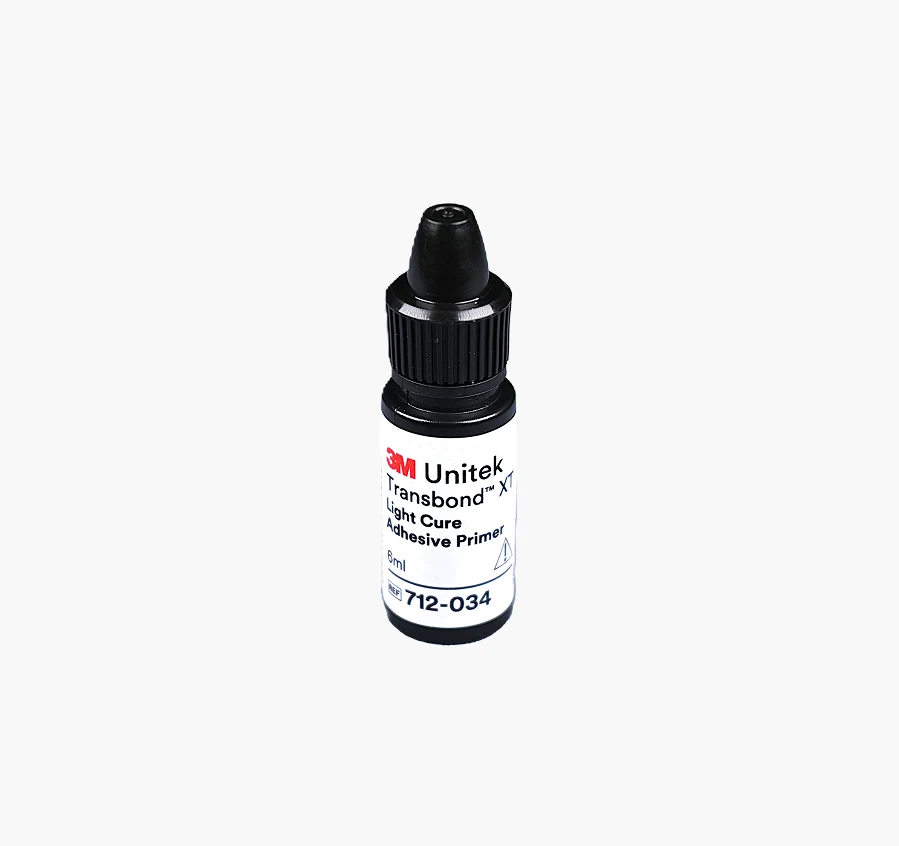


3M Unitek
3M Transbond XT Primer-One 6ml Bottle 6ml Bottle
0 ratings
The 712-034 TRANSBOND™ XT Primer is a 6mL light-cure primer that enhances bonding...
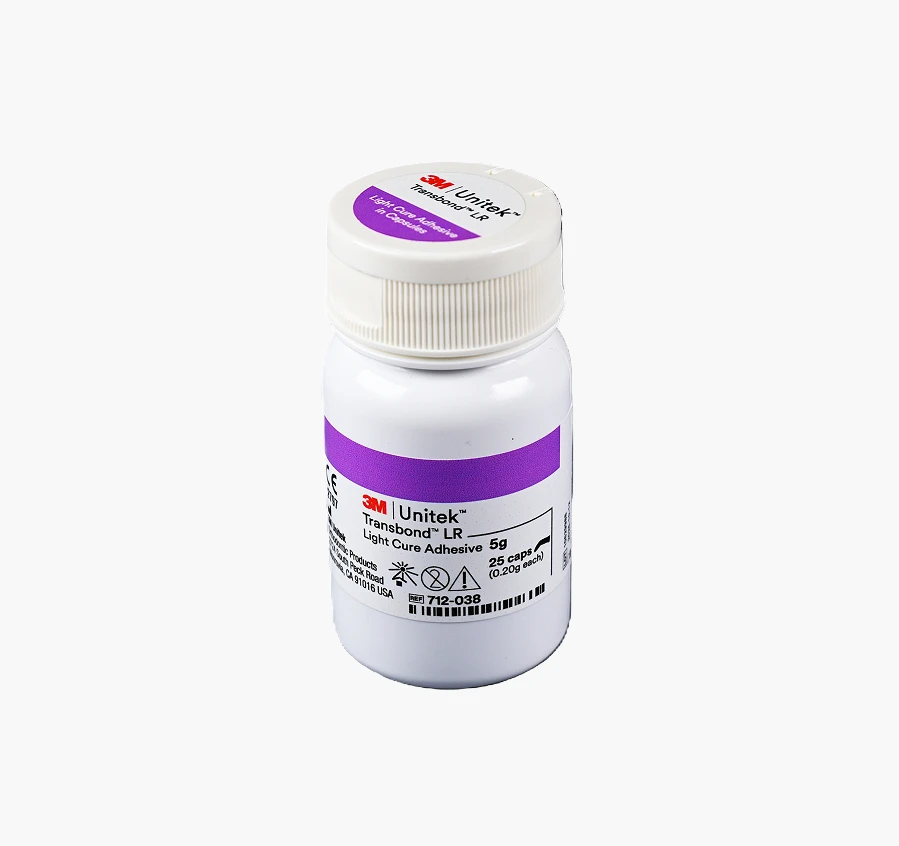
3M Unitek
3M Transbond Lr Adhesive Caps 25 Capsules 25 Capsules/Pack
0 ratings
The 712-038 TRANSBOND™ LR Adhesive Caps by 3M Unitek are light-cure, resin-based...
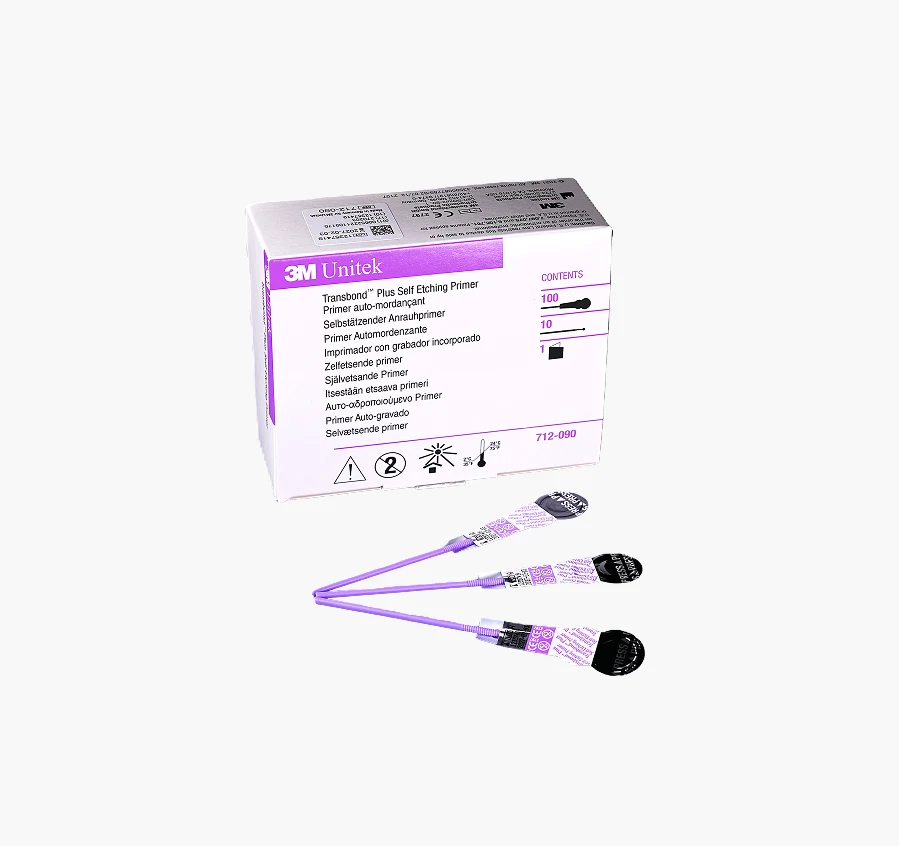
3M Unitek
3M Transbond SEP 100/Pack
0 ratings
The 712-090 TRANSBOND SEP 100/BX is a self-etching primer system from 3M Unitek, designed...
 Prev
Prev

Related Blogs

Common Mistakes Clinics Make While Buying Dental Supplies
Posted on: Jan 13, 2026

Dental Supply Company in Miami
Posted on: Dec 02, 2025

Single-Use vs Reusable Dental Tools
Posted on: Dec 02, 2025
Frequently Asked Questions
The first step is to conduct a usage audit of your orders from the past three to six months to see what syringe types and gauges your providers are using most. After you determine your most commonly used products, create a bulk order schedule based on this information. For example, if you set up an auto-order or subscription for your top products, the items will be automatically replenished without having to be manually tracked every week.
For the majority of dental practices, the most common needle gauges will be 27G short and 27G long needles, as they can be used for almost every procedure such as maxillary infiltrations and posterior nerve blocks and most clinicians will be comfortable using these needles in restorative/hygiene appointments. The next gauge you should keep on hand is 30G short needles, especially if you have a high number of anxious patients or do a fair amount of work on the palatal side of the arch. 25G long needles are also going to be necessary if your practice regularly performs inferior alveolar blocks or has a lot of surgical patients. The first and most important step to having an efficient inventory of needles is to get the right gauge combination established at the beginning of your business.
Technique and gauge are both important, but gauge has an impact independent from technique. For example, 30G needles displace more tissue during insertion than 25G needles; therefore, the patient will receive less pain when the clinician performs the procedure in sensitive areas (e.g., the palate versus maxillary anterior). Clinicians may provide further comfort and anxiety management through proper technique and the appropriate use of the finer gauges at their disposal. This is especially true for clinics that have high patient volume where satisfaction scores directly correlate to retention and referral.
Ordinary dental needles are made for everyday injections to provide local anesthetic (soft tissue) or block anesthesia (hard tissue). Surgical aspirating needles are made for specific surgical procedures when aspiration prior to injecting is clinically important because aspiration at the site of injection can indicate the presence of blood vessels that could be damaged if the needle penetrates them. Most general dental clinics use an ordinary needle for the majority of their procedures, but surgical aspirating needles should be in inventory for providers performing oral surgery, extractions, or complex restorative procedures. While putting together your bulk orders, identify the by procedure type to make sure they are stocked at the correct increments and independently based on the procedure type used by each provider.